

.svg)



Reflections from Lima: WMC 2026 Takeaways








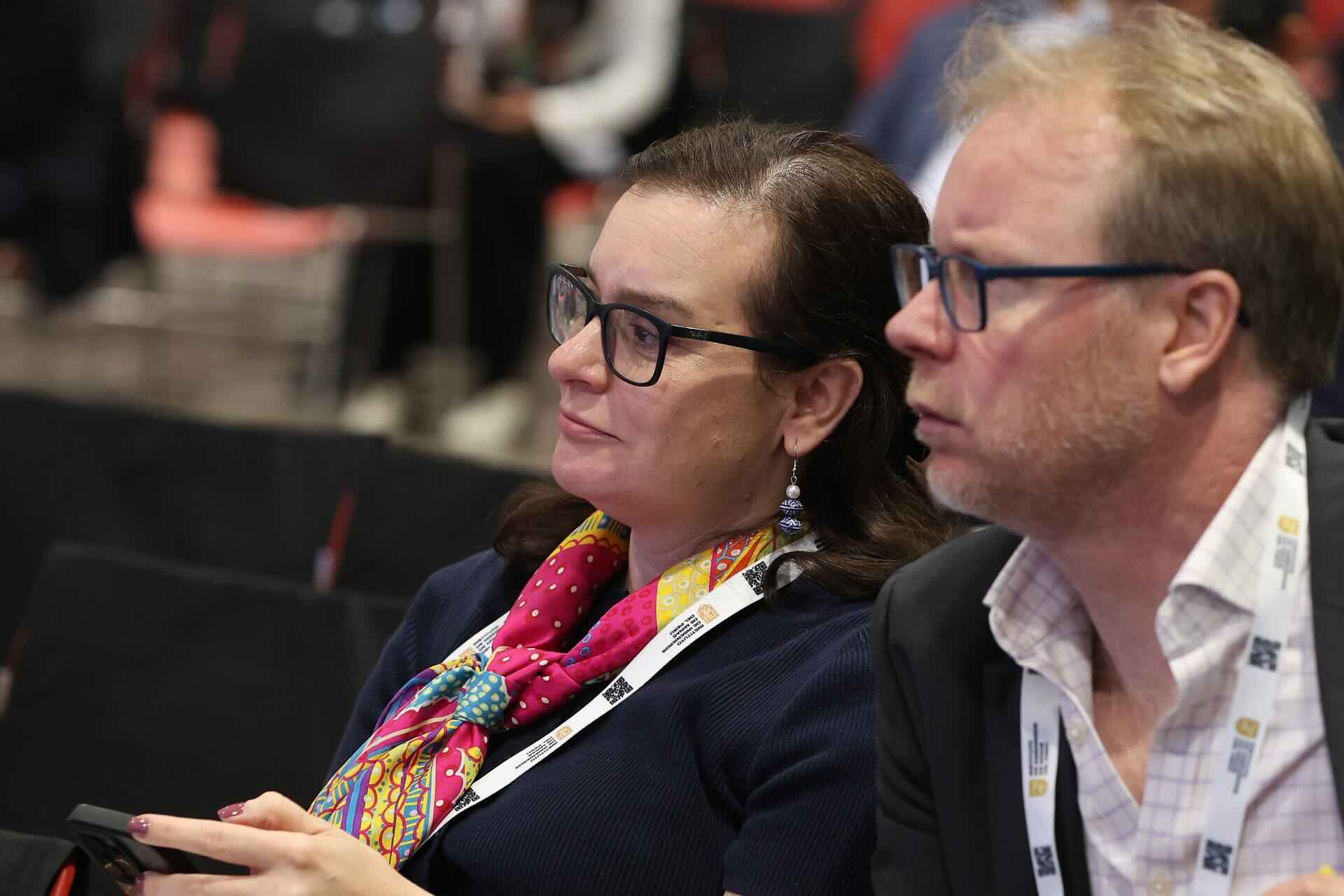
2026's conference the most ambitious agenda yet. Cambianz' Managing Director, Casilda Malagon, was an architect of the technical sessions and co-chaired the congress's critical minerals track. Here she picks out her three top learnings from the biennial conference.
Trust becomes a line item
Natascha Viljoen, CEO of Newmont, opened one panel by telling the room that social license is mining's biggest lever of value, ahead of capital or permits. Mark Cutifani made a related case from his time at the helm of Anglo American, pointing to Limpopo Quellaveco as an example of trust built through years of consistent delivery. Gwendolyn Wellman's research offered the counter-case: at Dingleton, control over community legal representation eroded trust, and there is still no industry-wide enforceable mechanism to fund community legal aid.
For sustainability teams, this changes how a disclosure should be read: the numbers carry weight only once the process behind them has earned trust, before the reporting cycle begins.
Constraint sits in policy and grids
The critical minerals session, chaired by Casilda, made a related point from the supply side. Copper demand is forecast to grow roughly 50% by 2040, against a supply gap of 5 to 7 million tons by 2035. Closing that gap through new mines alone would mean building the equivalent of ten Antaminas (an important Peruvian mine) in nine years, and permitting is a key constraint.
The panel's life cycle data made a similar point about decarbonisation: the lever moves with the grid. In carbon-intensive Chile, electricity and grinding dominate processing emissions. In low-carbon Finland, reagents and wear parts take over as the larger share. The panel's shared conclusion: mining's real limits are systemic and political.
Why this matters for reporting
Bent Flyvbjerg's data puts mining's tail risk among the worst of any project category: one in six projects exceeds 129% of its estimated cost, decided in front-end planning rather than on site. The recurring instruction across sessions - think slow, act fast - treats planning time as a risk control. That instruction applies just as directly to sustainability reporting. Complex frameworks, evolving disclosure standards and double materiality assessments resist a rushed answer for the same reason a mine plan does: the early decisions carry the risk.
This need to simplify complexity is a repeating, constant theme in our discussions with clients: the need to ensure the end output is a focused, comprehensible product a board can sign off with confidence. If your sustainability or ESG reporting is carrying more complexity than your team has time to resolve, we can help. With sustainability commonly perceived by boards to be surrounded by an acronym soup - CSRD, TNFD, SFRS1 and SFRS2, GISTM, ICMM PE and IFC PS - our expertise in managing the requirements and nuances of each of these compliance standards means we can assess the relevance of each to your company requirements, and the advise on how best to incoporate them.