

.svg)


Inside ReDriveS: Mercedes-Benz' downcycling challenge














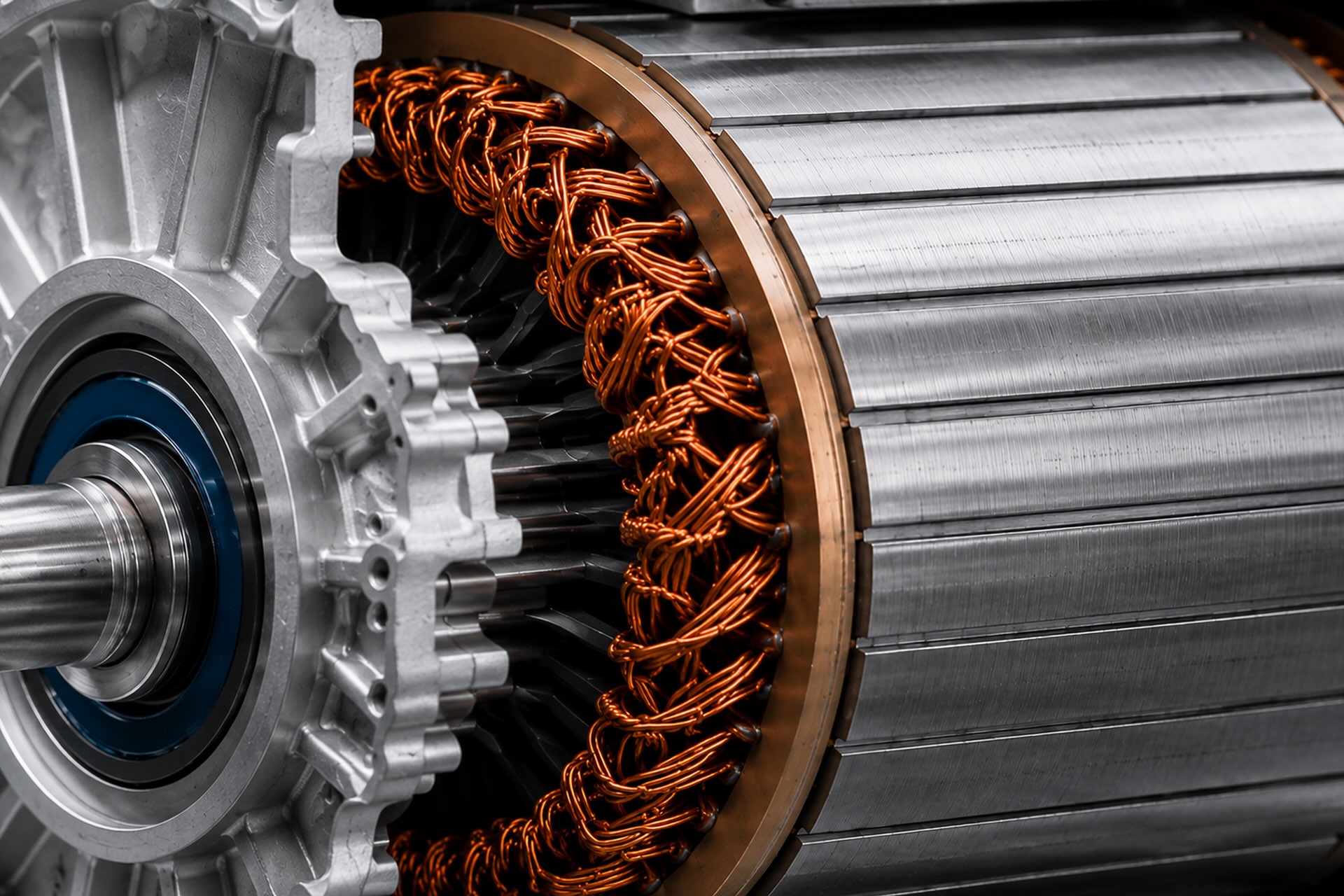
Rare earths comprise 17 metallic elements essential to modern technology. The most critical for EV motors are neodymium and dysprosium, which create the permanent magnets that drive electric motors. Yet when an electric vehicle motor reaches end of life, more than 1 kg of rare earth magnets usually end up discarded.
At the Rare Earths International Association Conference in Frankfurt, we learned about the challenge of recycling the magnets in electric vehicles and how a group of companies and OEMs got together to try to sort it out.
ReDriveS - short for “Automated and digitised circular economy solutions for electric drive units” - is a German government-backed initiative led by Schaeffler, with 22 project partners and 6 associated partners including Mercedes-Benz, Daimler Truck, Volkswagen, MAGNA Powertrain and Bosch. Funded by the German Federal Ministry for Economic Affairs and Energy (BMWE), the project looks to take electric motors from end of life, recover the rare earth magnets, recycle them, and put them back into new motors.
The scale is significant. Considering the content of rare earths in the magnets, EV sales generated 37 kilotons of rare earth demand in 2024 and 99% of these magnets from end-of-life vehicles are discarded.
Jula Lanzer, who leads the permanent magnet laboratory and projects in terms of sustainability and recycling of permanent magnets and e-drive materials at Mercedes-Benz in the predevelopment department, presented ReDriveS at the REIA conference in June. On the challenge of recycling these materials to original specifications, she says: "We are not doing a down cycling. The consortium's goal is to recover and reuse magnets at the same performance level as virgin materials, not degrade them for lower-value applications.”
By 2028, the consortium will deliver a closed-loop recycling system for electric drive units. The work is happening now, tested on production hardware - but the technical barrier is real. The first batch of recycled magnets came back with a reduced purity. For consumer applications, acceptable. For traction motors such as used in a Mercedes CLA, technical challenging.
Traction motors require magnets with a high purity to meet magnetic requirements and automotive standards. Impurities degrade magnetic strength, reduce motor efficiency, and compromise the thermal stability that keeps the motor reliable across the vehicle's lifetime. Even small reductions in purity mean lost power and reduced driving range.
The work ahead
The consortium scheduled a workshop to discuss the project milestones and how to improve the recycling material stream in terms of e.g. purity of the used alloys. That clarity changes the market. At the moment,OEMs have too many unanswered questions to invest in e-drive recycling.
The market needs clarity
The unanswered questions are material. Is recycling cheaper than mining new ore? The answer depends on labour costs, energy costs, recycling technology and regulatory requirements. Are there enough magnets coming off vehicles yet to make a business case? Not yet, but volumes are rising. Can you recover magnets without damaging them? Yes, but the separation process is expensive and needs to be automated. Can those recovered magnets meet original equipment specifications? Those issues are addressed by the project partners, and is what the consortium is testing now.
The team uses various production e-drives from the involved OEM and Tier1 suppliers. They disassemble each e-drives in the main components as E-motor, inverter, gear box, developing automated disassembly procedure. Test each component. Determine what gets reused, what gets recycled, what gets discarded. They will build a digital twin for each unit and develop a product passport that documents what is inside and what the recovery options are.
The consortium documents every step. When publishing results in 2028, every OEM will see what closed-loop recycling costs; what the technical barriers are; and what a functional system looks like in practice. The rare earth magnet recycling market needs evidence that it can work at scale and make economic sense. ReDriveS is a crucial building block to deliver it. Clarity in a market this complex is rare: it is also what moves it
Cambianz helps companies navigate the circular economy transition
This is the kind of market transition Cambianz helps companies navigate. When the circular economy becomes mandatory, supply chains shift and new recovery models emerge: you need partners who understand both the technical landscape and the business implications. Cambianz translates those developments into clear strategy.
The circular economy is both a source of competitive advantage and an increasingly urgent regulatory reality for mining and materials companies. The ReDrives consortium shows why supply chain leaders need to understand not just what circular economy looks like, but what it costs, what it delivers, and how to compete in it - and actionable pathways forward.