

.svg)


The sustainability reporting landscape for rare earths












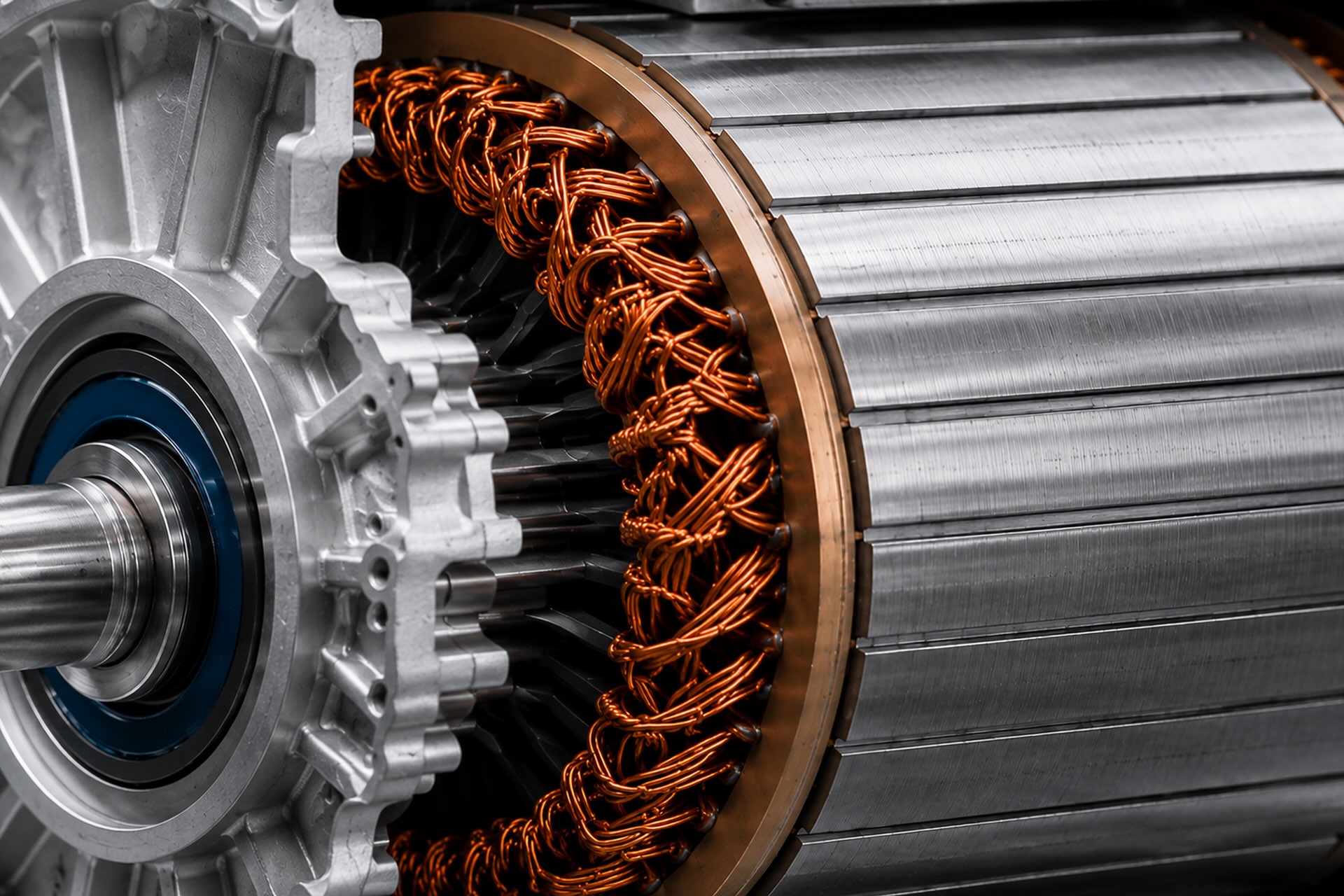
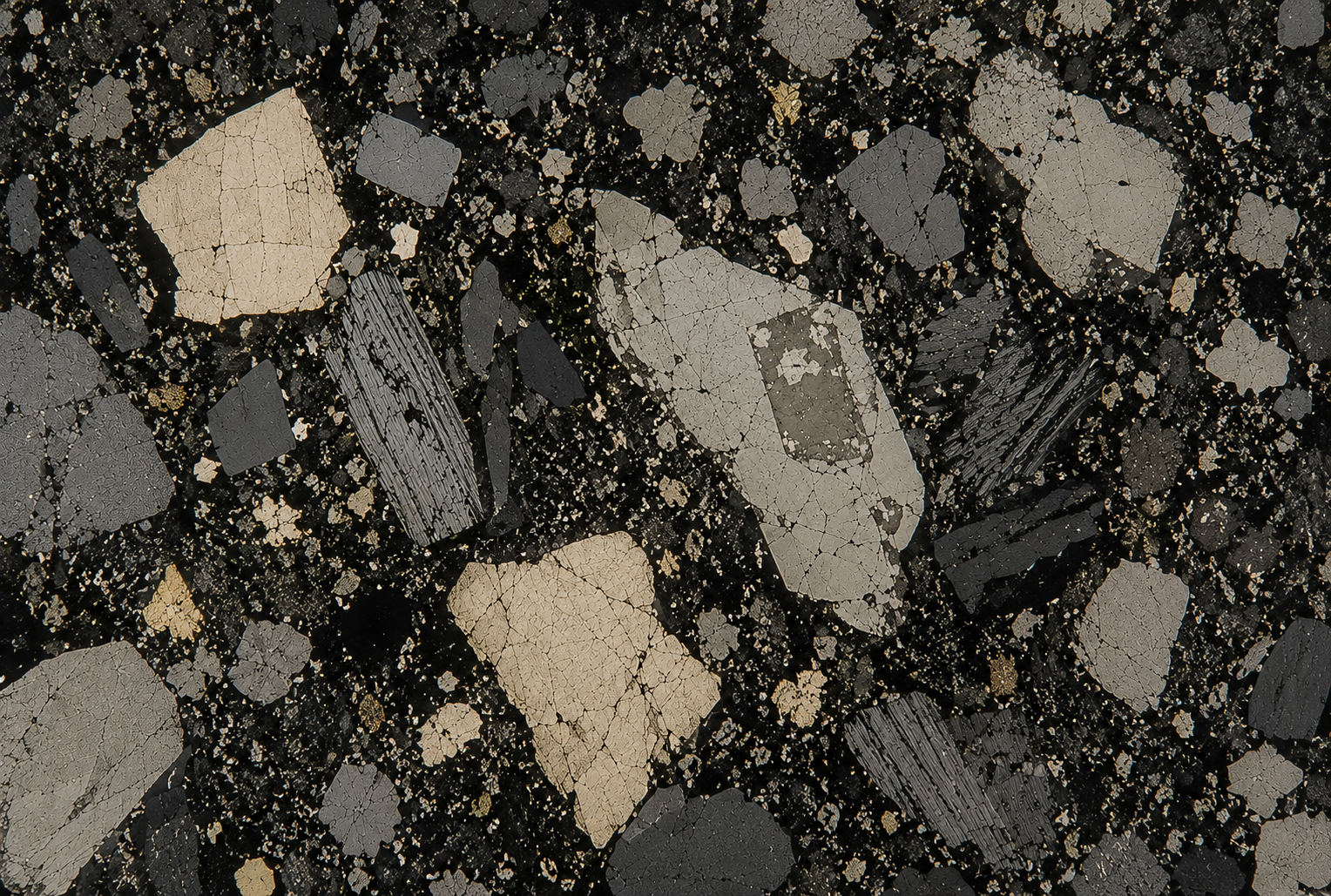
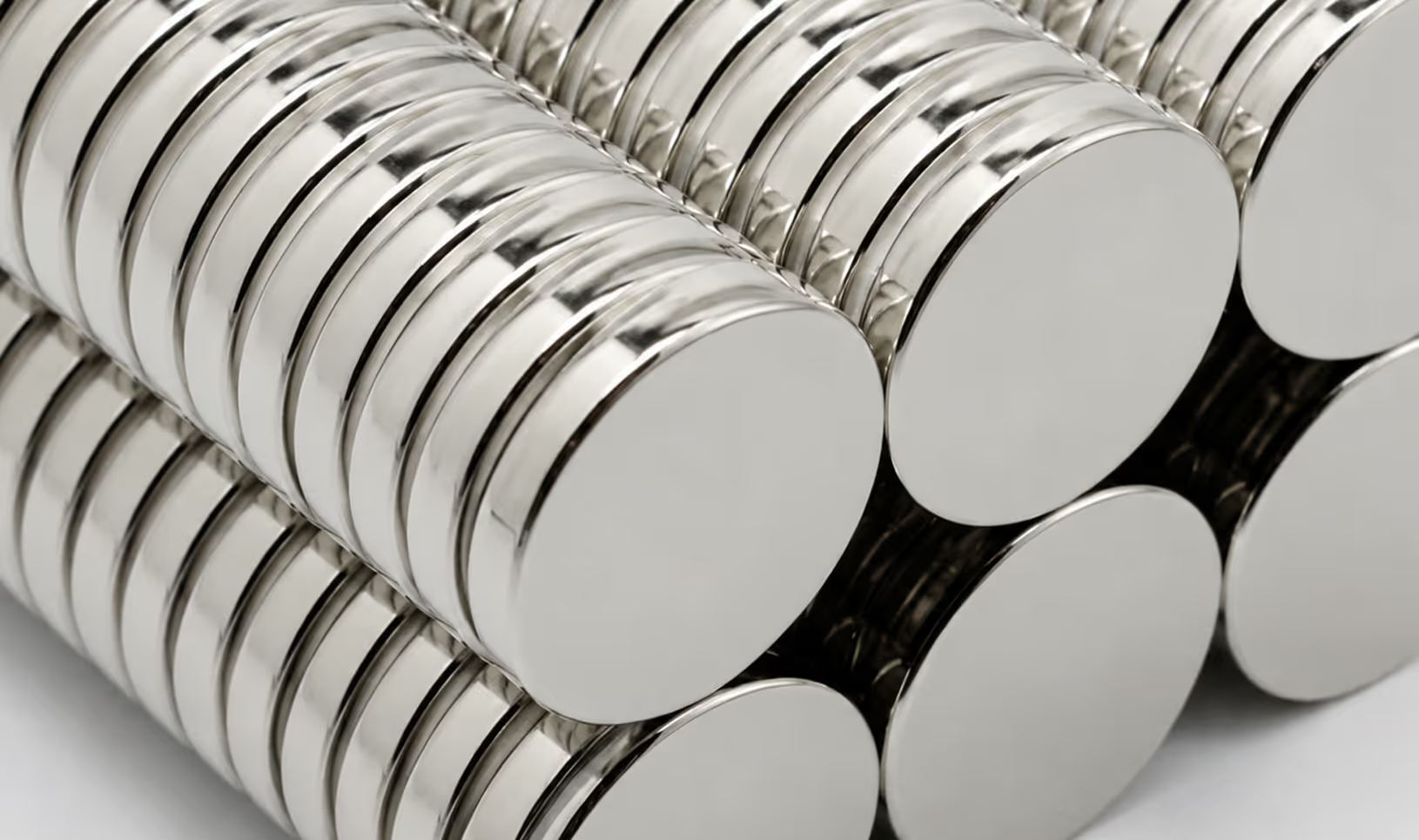
In June, Cambianz attended the Rare Earth Industry Association (REIA) conference, a chance to meet the members of this critical industry. For the unfamilar, rare earths are the group of 17 metallic elements thatpower the motors, lasers, screens, catalysts, and magnets (such as those manufactured from neodymium, illustrated) inside almost every modern technology. Their growing prevalence makes them critical in everything from EVs and wind turbines to smartphones, MRI machines and missile guidance systems.
Accordingly, we thought it useful to share some trends in the sustainability reporting world relevant to Rare Earth producers: A "starter-for-ten" to spark curiosity on the changes and challenges ahead.
If sustainability reporting were a compass, its true north would be double materiality — the principle that companies must report two things at once: how sustainability issues affect the business financially, and how the business affects people and the planet. A rare-earth mine, for instance, must discloseboth its own exposure to climate-policy shifts (financial) and its direct and indirect carbon emissions (impact). Issues that appear on either list past the company’s impact threshold make the list of issues to track, manage anddisclose performance on. So: two readings on the same instrument.
From there, there are four trends to highlight:
Global convergence.
The International Sustainability Standards Board (ISSB), a global standard-setting body, set up by the same people who write the world's accounting rules, has published two new sustainability reporting rule books — one covering general sustainability topics, the other focused specifically on climate. Australia, the UK, Japan,Canada and more than 30 other countries are now adopting them as the common language for how companies disclose their environmental and social performance
Sector-specific tooling.
The Consolidated Mining Standards Initiative (CMSI) and The Initiative for Responsible Mining Assurance (IRMA) provide an increasingly harmonised basis for disclosures in the upstream supply chain. Add to this REIA's own Product Category Rules (PCR — sector-specific lifecycle data definitions) and the work done through initiatives like the CSyARES- a blockchain-based Circular System for Assessing Rare Earth Sustainability -and you begin to build the data-plumbing that feeds into products and customers downstream and promise to take transparency to the next level.
China's mandatory ESG.
Often missed: from the financial year 2025, around 450 of China's largest listed companies, including major magnet producers,must publish ISSB-aligned sustainability reports.
To ensure it adds value, sustainability reporting needs to be company-specific and tailored to your audience. It is a complicated landscape full of layered requirements, but at Cambianz our expertise lies in making the entirity of this journey easier.
Need support navigating sustainability reporting? We can help.